When most people think about preventing heart attacks, they focus on managing blood pressure, cholesterol, diet, exercise, and smoking. Yet one significant risk factor remains routinely overlooked: periodontal disease, a chronic inflammatory condition that affects the gums and supporting structures of the teeth. Growing scientific evidence shows a strong connection between oral health and cardiovascular health—one that deserves far more attention.
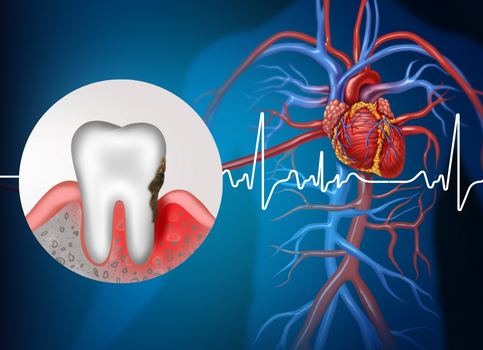
Understanding Periodontal Disease
Periodontal disease begins with gingivitis—gum irritation caused by plaque buildup. If untreated, this can progress to periodontitis, in which bacteria infiltrate deeper tissues, causing bone loss and chronic inflammation. Symptoms may be subtle: bleeding gums, bad breath, gum recession, or loose teeth.
But beyond damaging the mouth, periodontitis can influence the rest of the body in ways that may elevate cardiovascular risk.
Symptoms may include:
· Bleeding gums
· Persistent bad breath
· Loose teeth
· Tender or swollen gums
How Gum Disease Affects the Heart
Researchers have proposed several mechanisms that explain the link between periodontal disease and heart attacks:
1. Chronic inflammation
Periodontitis triggers a persistent immune response. This chronic inflammation releases inflammatory markers—such as C-reactive protein (CRP)—that are also involved in the development of atherosclerosis (the plaque buildup that narrows arteries). Elevated systemic inflammation makes blood vessels more susceptible to plaque formation and rupture, the primary cause of heart attacks.
2. Bacterial spread into the bloodstream
Everyday activities such as brushing or chewing can allow oral bacteria to enter the bloodstream. These bacteria have been found in atherosclerotic plaques, suggesting they may contribute to plaque growth or instability.
3. Impact on blood vessel function
Some bacterial toxins can impair endothelial function—the ability of blood vessels to dilate properly. Poor endothelial function is an early step in cardiovascular disease.
Supporting Evidence
Epidemiological studies consistently show that people with moderate to severe periodontal disease have a higher risk of coronary artery disease and heart attacks. While gum disease does not directly cause heart attacks, it contributes to an overall risk profile—similar to how diabetes or high blood pressure adds cumulative risk.
Who is most at Risk?
Certain groups may be particularly vulnerable:
· Smokers
· Individuals with diabetes
· People with poor oral hygiene habits
· Adults over 40
· Those with a family history of cardiovascular disease
For these individuals, maintaining oral health is a critical but often neglected part of heart prevention.
Prevention: Small Steps, Big Impact
The encouraging news is that periodontal disease is largely preventable—and often reversible in its early stages. Key strategies include:
· Brushing twice daily with fluoride toothpaste
· Daily flossing or interdental cleaning
· Regular dental checkups and professional cleanings
· Managing systemic conditions like diabetes
· Avoiding tobacco use
For those already diagnosed with periodontitis, professional treatment can reduce inflammation, lower bacterial load, and potentially reduce cardiovascular risk.
A Call for Integrated Health Care
The link between oral and heart health underscores the importance of a holistic approach to medicine. Dentists and physicians should work more collaboratively, and patients should recognize that oral health is not a separate domain—it is deeply connected to overall wellness.
Conclusion
Periodontal disease may not be the first thing people think of when considering heart attack risk, but its influence is real and significant. By taking steps to maintain strong oral hygiene and seeking timely treatment for gum disease, individuals can protect not only their smiles but their hearts as well.
Ready to Meet Your Family’s New Dentist? Looking for a gentle, affordable, and trusted family dentist in Ryde? Book your appointment today and experience dental care built on comfort, trust, and long-term health