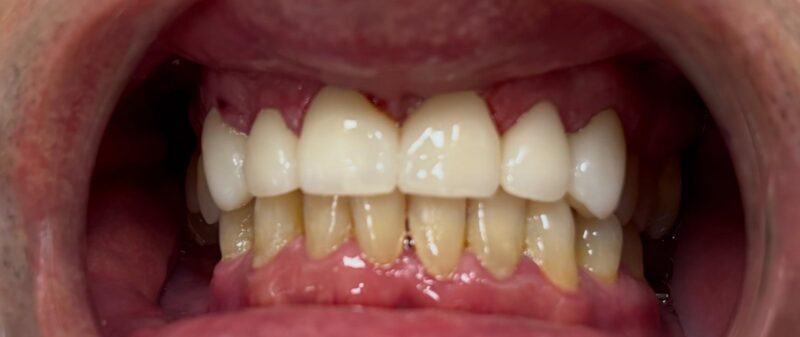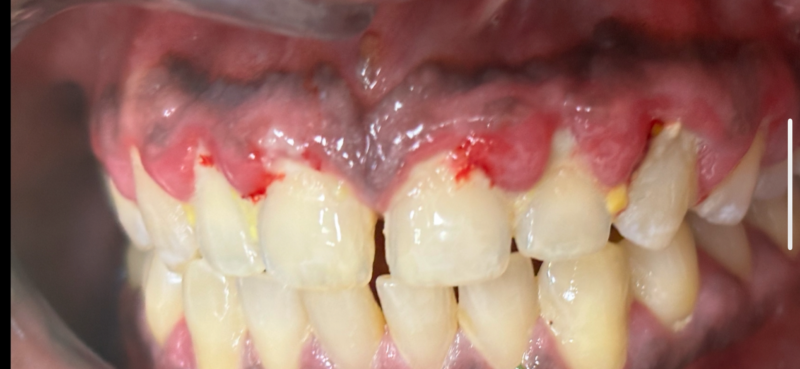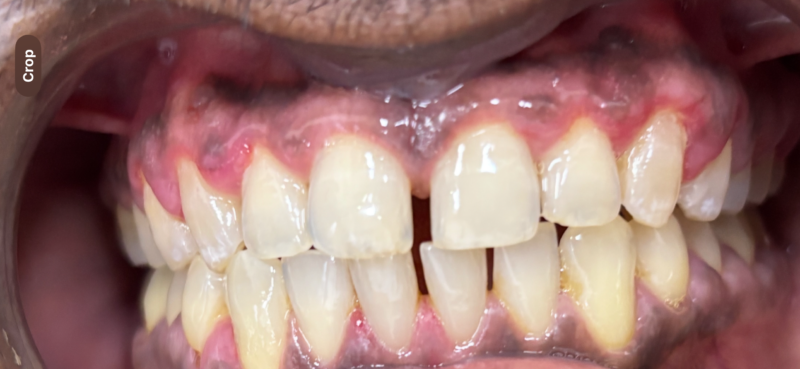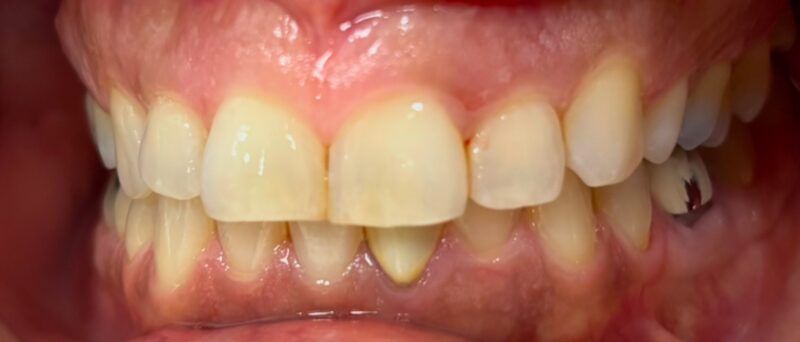

Orthodontic Treatment
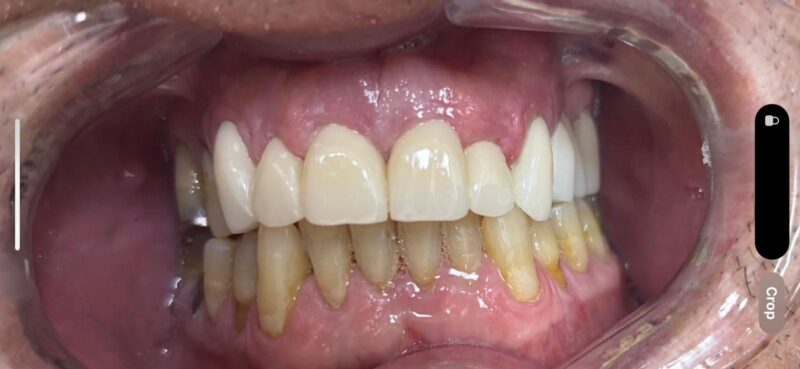
Orthodontics is the specialist branch of dentistry focused on diagnosing, preventing, and correcting teeth and jaw misalignments to improve oral health and appearance. At Ryde Dental Family, we offer tailored solutions for both adults and teens: fixed braces and clear aligners.
Cosmetic Dentistry
Dental implants offer a natural-looking and long-lasting solution for tooth replacement. With a 95% success rate, they're the gold standard. Our experienced team at Ryde Dental Family provides personalized treatment plans for a comfortable and successful procedure.
What Is Orthodontic Treatment?
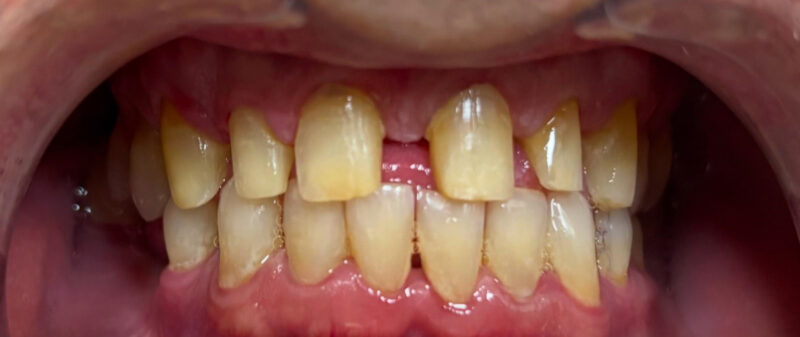
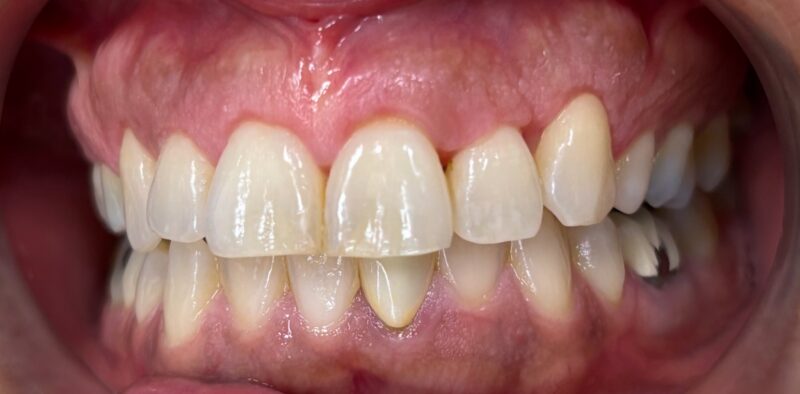
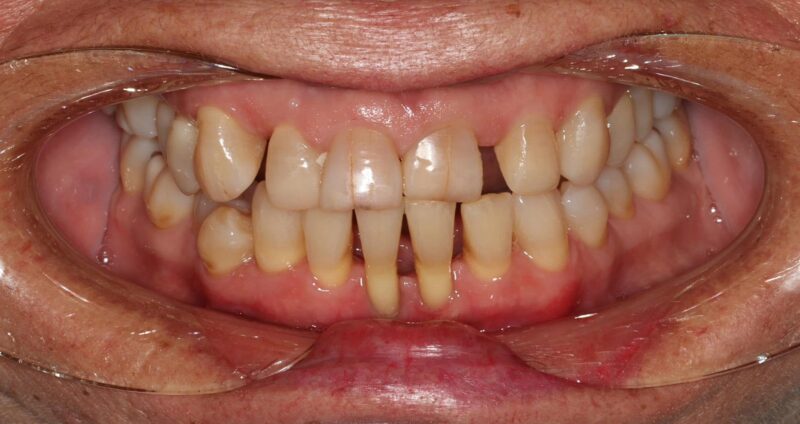
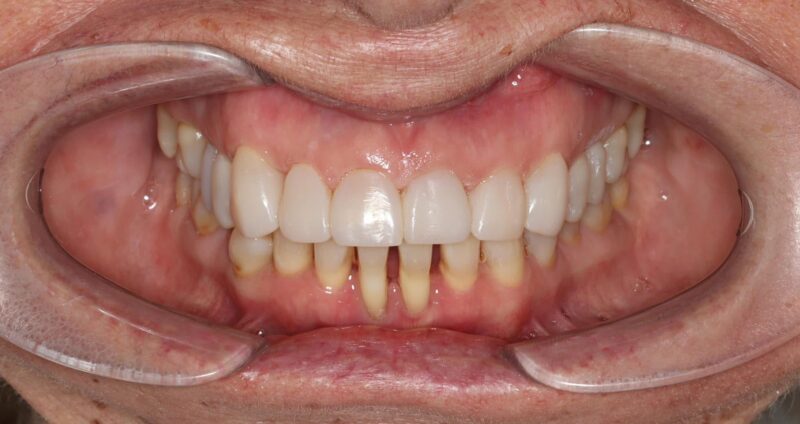
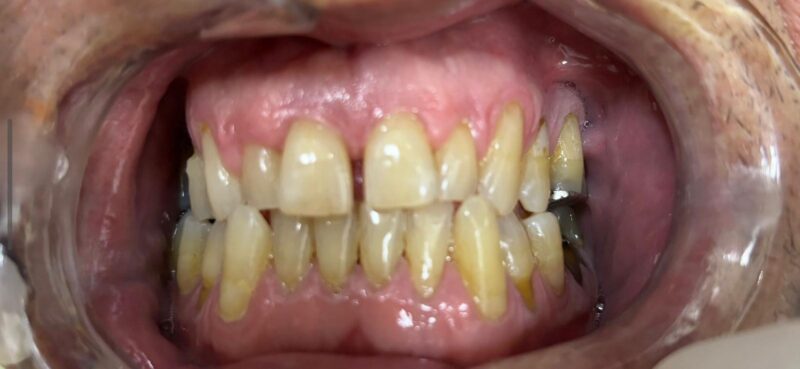
Orthodontics aims to correct crooked, crowded or protruding teeth, while improving your bite so upper and lower teeth meet correctly. Benefits include enhanced oral hygiene, reduced risk of tooth damage, and increased confidence.
Types of Orthodontic Treatment
There are several types of Orthodontic Treatment, including:
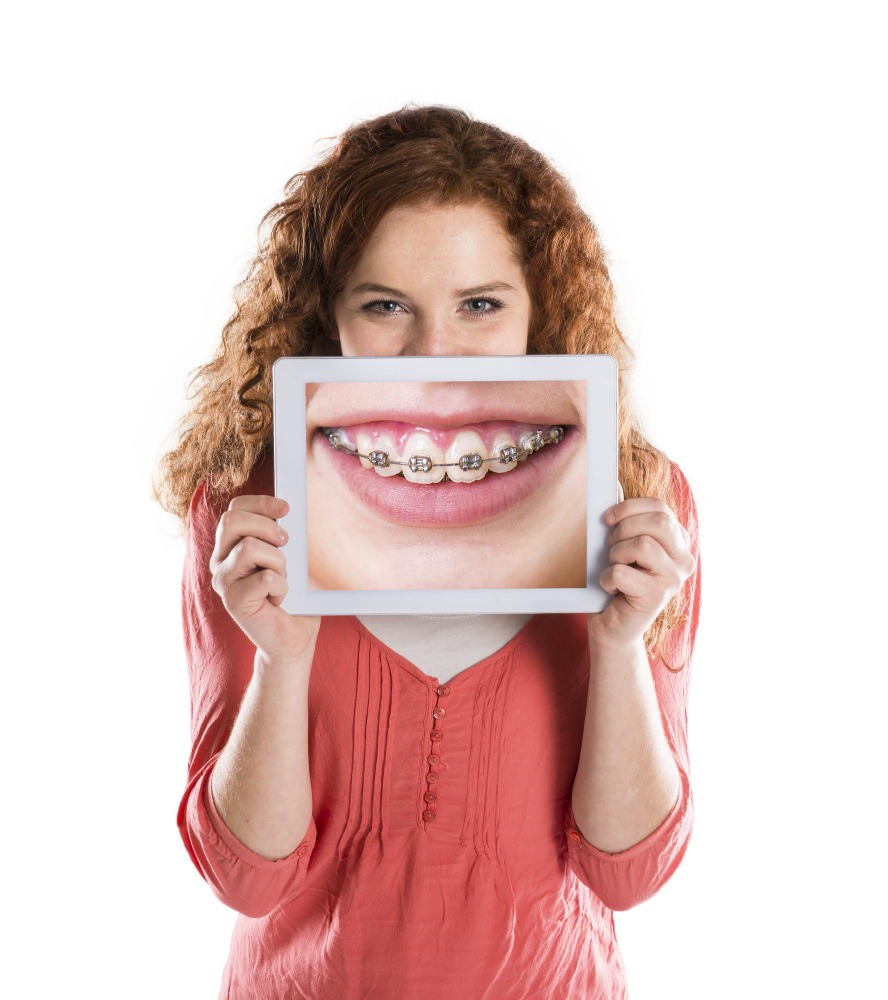
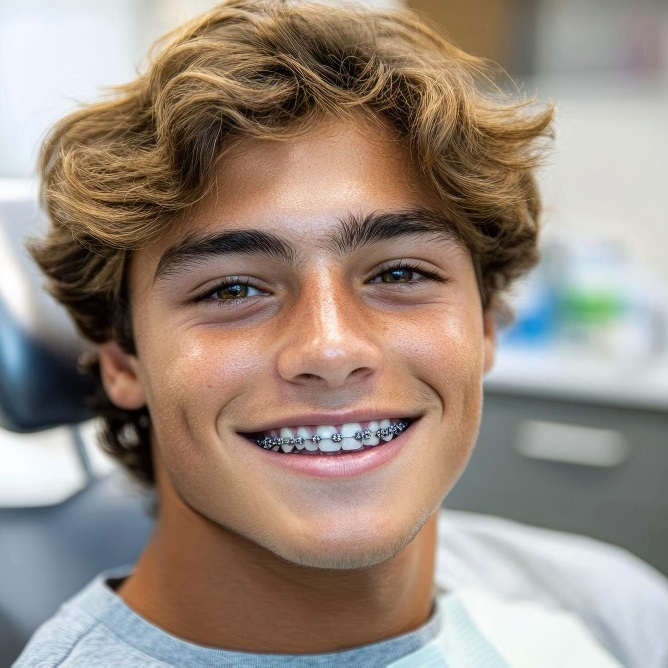
Fixed Braces
Braces remain a tried-and-tested solution for straightening teeth and correcting bite issues.
Clear Aligners
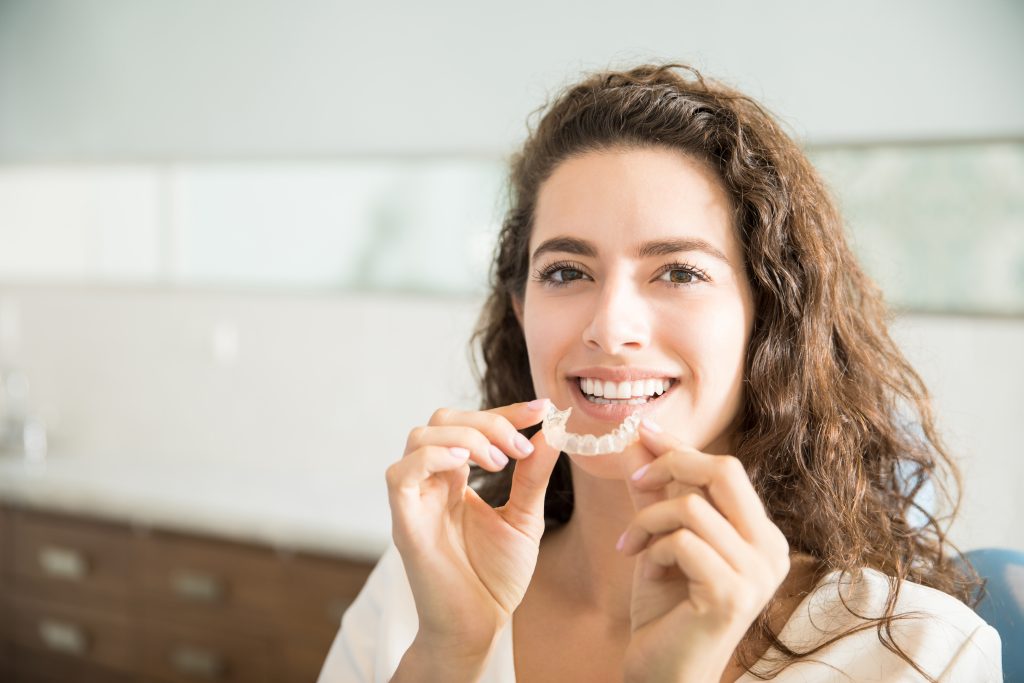
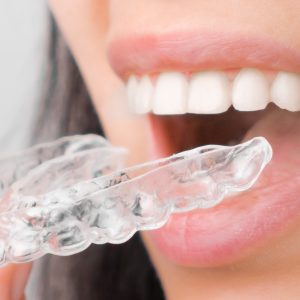
Clear Aligners offers a discreet and comfortable way to straighten teeth, using clear, custom-made aligners that gradually shift your teeth into place.

Fixed Braces
- Metal (Traditional) – Durable and effective for complex cases.
- Ceramic – Tooth‑coloured and less visible.
- Lingual – Positioned behind teeth, completely hidden from view .
- Self‑ligating – Uses clips instead of elastics, offering fewer adjustments and reduced friction.
Clear Aligners
- Discreet and comfortable—plastic trays cause minimal irritation Smileie .
- Removable, allowing normal eating and oral hygiene.
- Often fewer, shorter appointments and potentially quicker treatment in suitable cases.
Cons:
- Requires disciplined wear (22 hrs/day).
- May be unsuitable for severe or complex cases .
- Small attachments on teeth may be visible .
Choosing the Right Treatment
| Factor | Fixed Braces | Clear Aligners |
|---|---|---|
| Visibility | Visible, unless lingual | Nearly invisible |
| Compliance | Always working – no removal | Must wear for 22 hrs/day |
| Complex Cases | Excellent for severe issues | Best for mild–moderate alignment |
| Hygiene | Trickier due to brackets | Easy – remove trays to clean |
| Comfort | May cause soreness/brackets | Smooth and less irritating |
| Appointments | Every 4–6 weeks | Often every 8–10 weeks, shorter visits |
To prepare for cosmetic dentistry procedures:
- Maintain Oral Hygiene: Good oral health is essential for successful cosmetic treatments.
- Discuss Goals and Concerns: Share any specific desires or questions with our team for a customized approach.
- Initial Consultation: We discuss your aesthetic goals and examine your oral health to develop a personalized treatment plan.
- Treatment Execution: Depending on the chosen procedure, our team will use advanced techniques to achieve the best possible results.
After cosmetic procedures, it’s essential to:
- Practice Routine Oral Care: Brushing, flossing, and regular dental check-ups help maintain results.
- Avoid Staining Foods and Drinks: For treatments like teeth whitening, reduce consumption of staining foods and drinks.
- Follow Specific Aftercare Instructions: Each treatment may have unique aftercare requirements to maximize longevity and comfort.
See the Difference
Make your smile shine again
Affordable Payment plan options for Cosmetic Dentistry-
National Dental Plan & After Pay
We offer a range of payment options, including financing and insurance coverage, to make Cosmetic Dentistry more affordable.
We accept all health funds
Long-Term Care and Maintenance
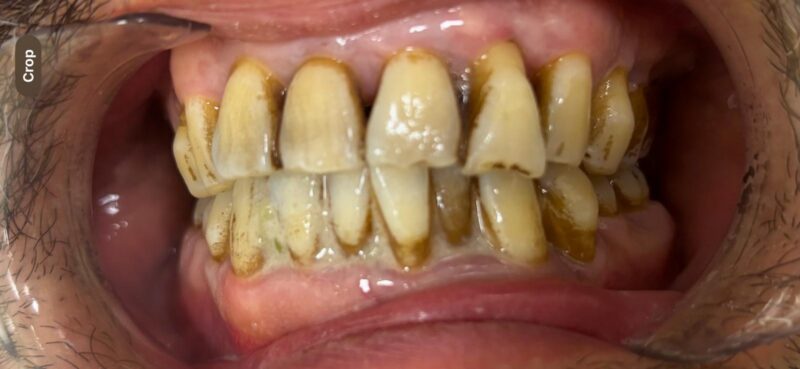
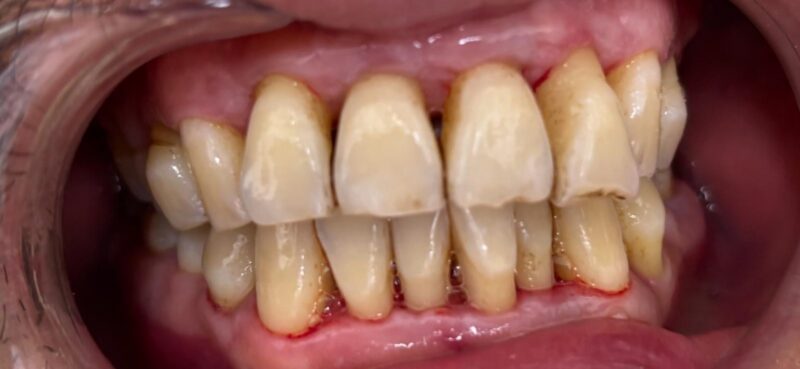
Special considerations apply for smokers and patients with gum disease.
Frequently Asked Questions
At what age can orthodontic treatment begin?
Typically when most adult teeth have erupted—around 12 years old—but adults can undergo treatment at any age Verywell Healthnhs.uk.
Does it hurt?
Both braces and aligners can cause mild discomfort after fitting or tray changes. Aligners usually cause less pain than braces .
How long does treatment take?
Varies by case: usually 6 to 36 months, depending on method and complexity .
Will it affect my speech?
Some tongue‑placed appliances (especially lingual braces) may cause a temporary lisp, which typically fades quickly.
What happens after treatment?
Retainers (fixed or removable) are essential to prevent teeth shifting again .