Introduction
Dental implant technology has evolved tremendously over the past decade. One of the most significant advancements is the introduction of digitally guided implant surgery — a process that uses advanced 3D imaging, computer-aided design, and precise surgical guides to ensure optimal implant placement. This innovation has transformed the way dentists plan and perform implant procedures, offering patients faster recovery, greater comfort, and exceptional long-term results.
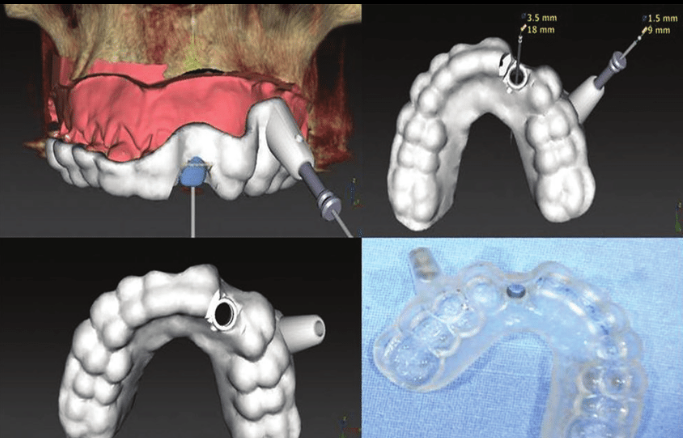
What Are Digitally Guided Implants?
Digitally guided implant surgery involves the use of digital scans and 3D imaging (CBCT – Cone Beam Computed Tomography) to create a virtual model of the patient’s mouth. This model allows the dentist to plan the exact position, angle, and depth of each implant before the actual surgery.
Using this digital plan, a custom surgical guide (a 3D-printed template) is created to direct the placement of the implants during surgery. This ensures accuracy to within fractions of a millimeter — a level of precision that is nearly impossible with traditional freehand techniques.
The Step-by-Step Process
- Digital Scanning and Imaging
The process begins with a 3D CBCT scan and intraoral digital impressions. These images are combined to create a precise digital model of the jawbone, soft tissue, and surrounding structures. - Virtual Treatment Planning
Using specialized implant planning software, the dentist virtually positions the implants in ideal locations based on bone density, nerve positions, and prosthetic requirements. - Designing the Surgical Guide
Once the plan is finalized, a 3D-printed surgical guide is created. This guide fits perfectly over the patient’s teeth or gums and directs the dental drill to the exact implant location. - Guided Implant Placement
During surgery, the dentist uses the guide to place implants precisely as planned — minimizing surgical trauma and ensuring optimal results.
Benefits of Digitally Guided Implants
- Precision and Safety – Advanced imaging ensures implants avoid nerves, sinuses, and other sensitive areas.
- Minimally Invasive – Smaller incisions mean less pain, reduced swelling, and faster recovery.
- Predictable Outcomes – The digital plan ensures the final prosthesis fits perfectly.
- Reduced Chair Time – Efficient planning and guided placement shorten surgery duration.
- Enhanced Patient Confidence – Patients can visualize their treatment plan before surgery.
Who Can Benefit from Guided Implant Surgery?
Digitally guided implants are suitable for:
- Patients requiring single, multiple, or full-arch implants
- Those with complex bone anatomy
- Individuals seeking faster recovery and more comfortable treatment
- Clinicians aiming for predictable, prosthetically driven results
The Future of Implant Dentistry
As digital dentistry continues to evolve, guided implantology is becoming the standard of care in modern dental practice. With the integration of AI-driven planning tools, 3D printing, and intraoral scanning, the accuracy and efficiency of implant procedures will only continue to improve.
Conclusion
Digitally guided implants represent a perfect blend of technology and clinical expertise. They offer patients safer, faster, and more predictable results, while giving dentists unparalleled control over every stage of the implant process. If you’re considering dental implants, ask your dentist about digitally guided implant placement — it’s the most precise way to restore your smile with confidence.
Ready to Meet Your Family’s New Dentist?Looking for a gentle, affordable, and trusted family dentist in Ryde? Book your appointment today and experience dental care built on comfort, trust, and long-term health.